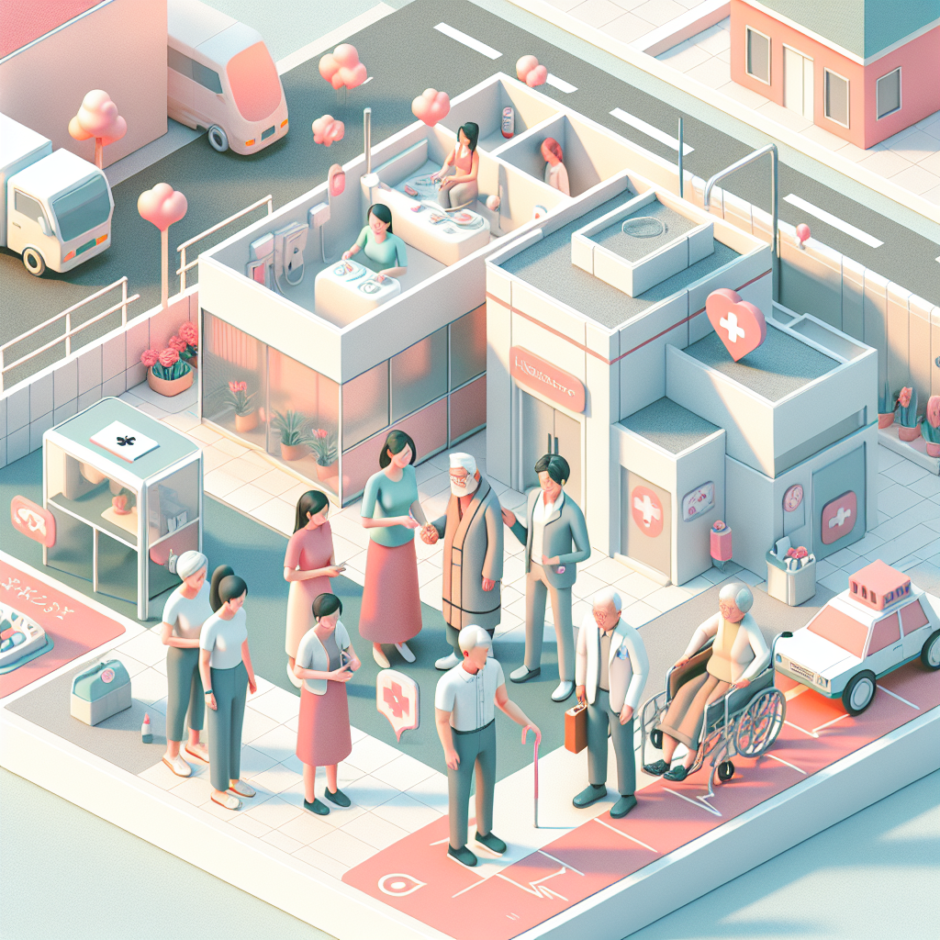
Understanding the Japan Healthcare System
In this article, you will learn about the Japan healthcare system, its structure, how to access healthcare services, and what to expect as a foreigner living in Japan. Healthcare in Japan is known for its high quality and accessibility, but navigating the system can be challenging for newcomers. We will solve your questions regarding insurance, finding doctors, and understanding costs, ensuring you can access the care you need comfortably.

🏥 Overview of the Japan Healthcare System
The Japan healthcare system is recognized worldwide for its efficiency and quality of care. It operates on a two-tier structure: public insurance and private healthcare. This system provides coverage for all residents, including foreigners, making healthcare more accessible. Here’s a closer look at its components:
- Public Health Insurance: Most Japanese citizens and residents are enrolled in one of two major public health insurance programs: the Employee Health Insurance (EHI) for those employed and National Health Insurance (NHI) for self-employed or unemployed citizens.
- Private Health Insurance: Although public insurance covers about 70% of medical costs, many choose private insurance for additional coverage, especially for specific treatments not completely covered.
- Facilities and Staff: Hospitals and clinics in Japan are generally equipped with modern technology and staffed by highly trained professionals. English-speaking medical practitioners are available but may be limited in smaller towns.
To ensure you receive necessary treatments, it’s crucial to understand how to navigate this healthcare system effectively. Here are the steps to get started:
- Enroll in Health Insurance: As a foreigner, you can register for NHI at your local ward office. Bring your residence card and passport. If you work, your employer should help you enroll in EHI.
- Find a Doctor: Use online resources, ask fellow expatriates, or check with local embassies for recommendations.
- Payment Structure: Generally, patients pay 30% of medical fees, while the insurance covers the rest. Be prepared to pay upfront and get reimbursement later.
🩺 Accessing Healthcare Services in Japan
Accessing healthcare in Japan may seem intimidating, but the process is straightforward once you know the steps. Here’s a practical guide to finding healthcare services:
- Choosing a Hospital or Clinic: Start by identifying whether you need general care or specialized services. General practitioners (GPs) are available for routine issues, while specialist hospitals can be consulted for specific conditions.
- Making an Appointment: Many facilities allow walk-ins, but it is advisable to book appointments to avoid long wait times. Call ahead or use online booking systems.
- Language Considerations: If you are not fluent in Japanese, look for hospitals and clinics with English-speaking staff. Websites often list language capabilities.
- What to Bring: Always take your health insurance card, identification, and a list of any medications you are currently taking.
Once you arrive at the clinic or hospital, you will go through a simple registration process. Here’s some standard protocol to expect:
- Check-in at the reception.
- Provide necessary documents and insurance card.
- Wait for your name to be called.
- Consult with the doctor.
- Receive a prescription or further treatment if necessary.
💵 Medical Costs and Insurance Coverage
Understanding costs in the Japan healthcare system is essential for budgeting. While healthcare is affordable compared to other countries, expenses can still add up. Here are some important points:
- Consultation Fees: A doctor’s visit typically costs between ¥3,000 and ¥5,000, depending on the specialty.
- Prescription Medications: Costs vary; however, you will only pay a fraction of the total price with insurance. For example, a medication costing ¥1,000 may only require a co-pay of ¥300.
- Hospital Stays: Overnight stays can range from ¥10,000 to ¥30,000 per night without insurance, significantly lower with it.
Moreover, as a foreign resident, you might have unique considerations. For instance, insurance coverage can differ based on your status and enrollment time. Ensure that you review your policy and understand your co-pay obligations.
📝 Navigating Emergencies and Specialized Care
In emergencies, knowing how to get help quickly can make all the difference. Here’s what to do:
- Emergency Contacts: Dial 119 to reach ambulances or fire services. For police emergencies, call 110.
- Emergency Rooms: Visit a nearby hospital’s emergency room (ER) for urgent care. Most major hospitals have English-speaking staff available.
- Preparing for Emergencies: Have a buddy system where friends know your insurance details and any allergies.
In some cases, you may require specialized treatment—understanding referrals is crucial:
- Start at your general practitioner for initial evaluation.
- If needed, they will refer you to a specialist.
- Insurance typically covers referrals, so always ensure to follow the right steps.
📌 Summary and Key Takeaways
Living in Japan means navigating a high-quality healthcare system. Here are the key points to remember:
- Enroll in health insurance promptly after arriving.
- Finding and accessing healthcare services is straightforward with proper planning.
- Understanding medical costs and insurance coverage helps in budgeting.
- Preparation for emergencies and specialized care ensures you receive timely help.
💡 Recommended Services
If you are living in Japan, having a reliable healthcare plan is essential.
Medical plans can be complex and overwhelming.

👉 Affordable Health Coverage for Foreigners in Japan
✅ Conclusion
The Japan healthcare system plays a vital role in providing quality medical care to all residents. By understanding the system, knowing how to access it, and being aware of costs, you can ensure that you and your family receive the care needed while living in Japan. Whether it’s a routine check-up or an emergency situation, having a plan will make your life much easier.