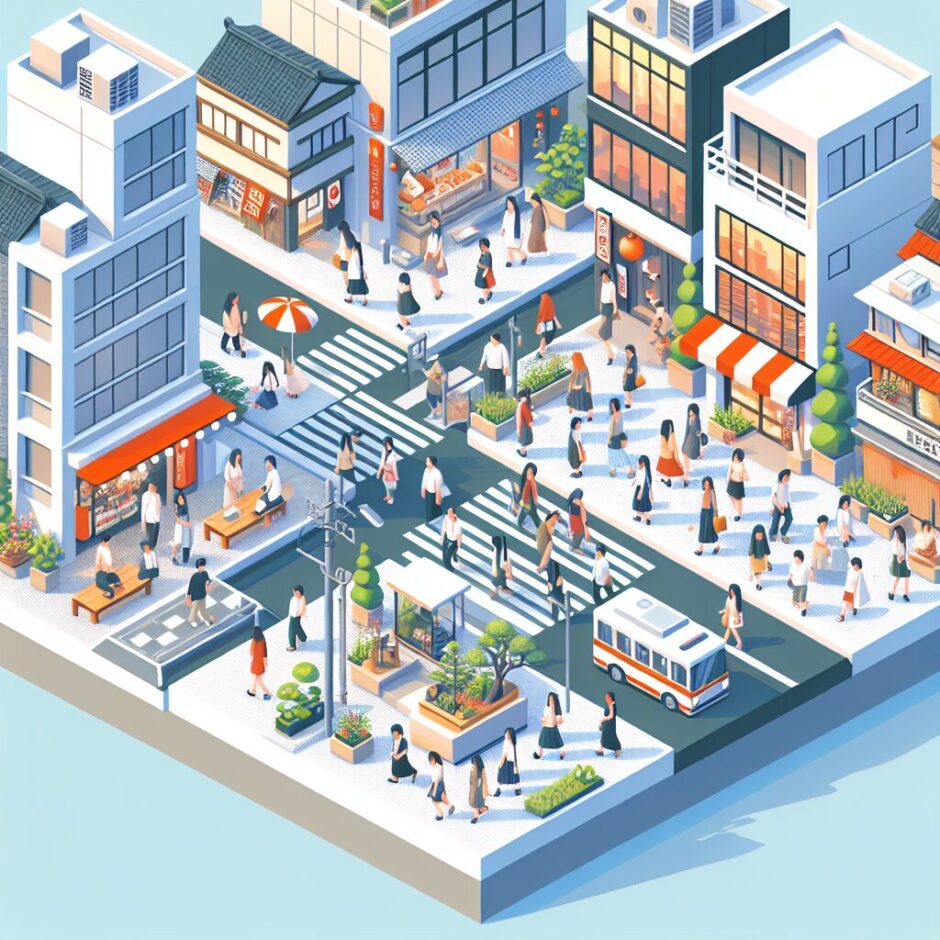
How to Adapt to Life in Japan
This article is for anyone considering a move to Japan. If you are feeling overwhelmed by fear, confusion, or uncertainty about what life will be like, you’re not alone. Many foreigners face these challenges when relocating. By reading this guide, you will gain practical advice and insights to help you adapt seamlessly to your new life in Japan.
If you are planning to move to Japan, having internet from day one is critical.
Choose a SIM card for foreigners in Japan
so you can stay connected immediately after arrival.


Can You Really Move to Japan?
Many people dream of moving to Japan, but there are specific criteria for who can make this a reality. Generally, those with valid work visas, student visas, or family connections have the easiest paths. However, tourists cannot simply transition to living in Japan long-term without obtaining the appropriate visa. Common misunderstandings include the belief that anyone can move without a job or significant financial means, which is far from reality. Understanding these aspects will help you make an informed decision about your move.
Step-by-Step Moving Process
- Choose visa type
- Prepare documents
- Find a job
- Find housing
- Move and register in Japan
Many foreigners struggle because they cannot access maps, translation, or essential services after arriving. Getting mobile internet early can reduce stress, and using a
flexible SIM card for foreigners
helps you stay connected without long-term contracts.
Real Costs of Moving to Japan
Here’s a realistic breakdown of costs you might expect:
- Visa fees: ¥20,000 – ¥60,000 depending on visa type
- Flight costs: ¥75,000 – ¥150,000 from most countries
- Rent deposit and key money: ¥200,000 – ¥500,000 for typical apartments
- Monthly living expenses: ¥150,000 – ¥300,000 for food, transportation, and utilities
Common Problems (Real Situations)
- Language barrier: Many foreigners find the language barrier intimidating. A realistic solution is to take language classes before and after your arrival. This not only helps with daily interactions but also shows locals your willingness to integrate.
- Housing rejection: It is common to face rejections from landlords who prefer Japanese tenants. You can combat this by using rental agencies that specialize in helping foreigners find accommodations and by building a good profile with references.
- Job difficulty: Some face challenges in finding jobs due to language skills or lack of local experience. Networking through expat communities and attending job fairs can significantly enhance your chances of finding employment.
Should You Move to Japan?
Deciding whether to move to Japan is a personal choice. If you are adventurous, open to cultural changes, and willing to learn, Japan may be a great fit for you. Conversely, if you are not comfortable with language barriers or highly structured societies, it may be wise to reconsider your move. The timing of your move is also crucial; consider a period when you can fully dedicate time to adapting to a new culture without existing job stress.
Tips for a Successful Move
- Real-life advice: Create a checklist of what you need to prepare and accomplish before you move. Engage with expat communities online to gather insights from those already living in Japan.
- Mental preparation: Prepare for emotional ups and downs; it is natural to feel anxious about a new culture. Practicing mindfulness and staying connected with friends and family can provide support during the transition.
Summary and Key Takeaways
Preparing for a move to Japan takes considerable planning and effort. By understanding the challenges and costs involved, you can make a clearer decision. Remember to approach the process with an open mind and a willingness to adapt.
💡 Recommended Services
Starting a new life in Japan can be difficult without proper preparation.
Having a reliable SIM card helps you navigate, communicate, and find services immediately.
👉 Start your life in Japan with reliable mobile internet
Conclusion
In conclusion, moving to Japan can be a life-changing decision. By following this guide, you can reduce stress and prepare yourself for a successful transition. Take the next step and start preparing for your exciting adventure in Japan.
“`