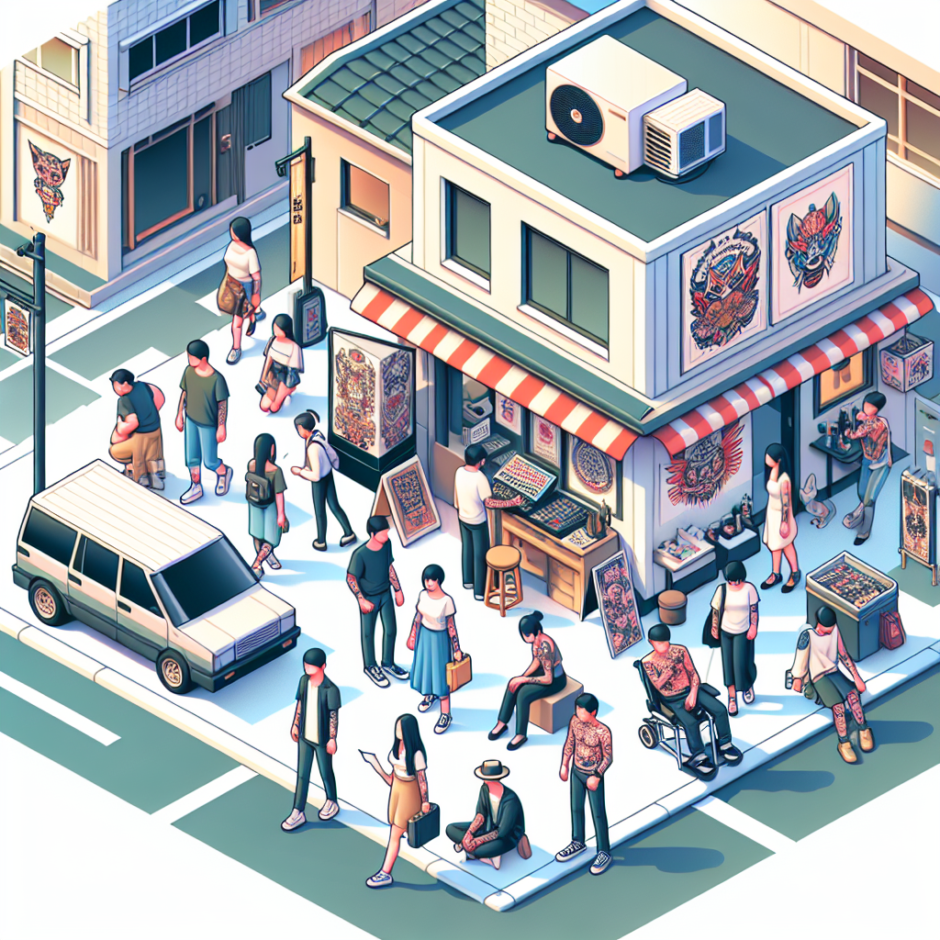
Tattoo Rules in Japan: What You Need to Know
Tattoos carry a complex and often misunderstood reputation in Japan. In this article, you will learn about the rules surrounding tattoos in Japan, why these regulations exist, and how they affect foreigners living in the country. Understanding this topic is essential for anyone considering getting a tattoo in Japan or who simply wants to understand the cultural sentiments behind them. We will address common questions and provide practical guidance on navigating tattoo-related situations in Japan.
🛑 Understanding the Cultural Context of Tattoos in Japan
Tattoos in Japan, or “irezumi,” are often associated with the Yakuza, Japan’s organized crime syndicates. This historical connection has led to a general stigma against tattoos in public spaces. Many establishments, such as hot springs (onsen), swimming pools, and gyms, will not allow individuals with tattoos to enter their premises.
Additionally, the attitude toward tattoos varies by region. In urban areas like Tokyo, there is a growing acceptance, especially among the younger generation. However, rural areas may still hold conservative views, making it important for foreigners to be aware of their surroundings and to approach the topic with sensitivity.
Key Points:
- Tattoos are often linked to the Yakuza.
- Many public facilities may deny entry to individuals with visible tattoos.
- Acceptance is growing in urban areas, but still varies by region.
📝 Legal Considerations for Getting a Tattoo in Japan
While there are no national laws banning tattoos, the legal landscape surrounding tattooing in Japan can be complex. Here are the key points to consider:
1. **Tattooing as a Medical Practice**: Under Japanese health law, tattooing is often considered a form of medical practice. Therefore, it is generally required that tattoo artists have a medical license, which is not commonly held by most tattoo artists in the country.
2. **Choosing a Reputable Tattoo Artist**: Make sure to choose a reputable artist who follows legal regulations. Look for their qualifications and past work to ensure your safety and satisfaction. Prices can range significantly, typically starting around ¥15,000 for small designs.
3. **Aftercare Regulations**: After getting tattooed, it is vital to follow the tattoo artist’s aftercare protocol to avoid infections, which could lead to legal issues for the artist if not properly addressed.
Important Notes:
- Many tattoo artists may operate in a regulatory gray area.
- Always verify the licensing of your tattoo artist.
- Ensure you understand the aftercare process to avoid complications.
🌍 Navigating Social Situations as a Foreigner with Tattoos
As a foreigner with tattoos living in Japan, you may encounter specific social situations where your tattoos may lead to misunderstandings. Here’s how to navigate these scenarios:
1. **Visiting Onsen**: Many onsen do not allow those with tattoos to bathe. To address this, some facilities offer cover-up stickers for tattoos, while others have designated tattoo-friendly onsen.
2. **Workplaces and Corporate Culture**: In traditional Japanese workplaces, visible tattoos may be frowned upon. If you work in a more conservative field, consider covering your tattoos with clothing.
3. **Public Perception**: Always be sensitive to the reactions of people around you. While younger generations may be more accepting, some older Japanese individuals might still harbor negative sentiments.
Practical Tips:
- Research tattoo-friendly onsen or resorts for a more comfortable experience.
- Dress modestly in professional environments to cover your tattoos.
- Be mindful of where you display your tattoos in public spaces.
💶 Costs and Popular Tattoo Designs in Japan
Tattoo prices in Japan vary based on factors such as the size and complexity of the design, the artist’s skill level, and the studio’s location. Here’s a breakdown of what you can expect:
1. **Design Costs**:
– Small tattoos: ¥15,000 – ¥30,000
– Medium tattoos: ¥30,000 – ¥80,000
– Large pieces or custom designs: ¥80,000 and up
2. **Popular Tattoo Styles**: Some of the most sought-after designs in Japan include:
– Traditional Japanese motifs like koi fish and cherry blossoms.
– Minimalist designs and text.
– Nature-inspired themes.
3. **Payment Options**: Most studios accept cash and credit cards. However, it’s best to confirm before your appointment.
Money-Saving Tips:
- Look for promotional deals or discounts offered by studios.
- Consider getting a larger tattoo if you plan on having multiple smaller ones; some artists may offer package deals.
📌 Summary and Key Takeaways
In summary, understanding tattoo rules in Japan is crucial for foreigners. Here are the key takeaways:
- Tattoos have a complex cultural background linked to the Yakuza.
- Legal considerations are essential; ensure your tattoo artist is licensed.
- Be respectful in social settings and understand how tattoos may affect your experiences.
- Know what to expect in terms of costs and popular designs.
Being well-informed can help you navigate the intricacies of tattoo culture in Japan.
💡 Recommended Services
If you are living in Japan, having a reliable and supportive tattoo artist is essential for your journey into tattoo culture. Whether you’re looking for intricate designs or just a simple tattoo, having the right resources can make a significant difference.
Finding quality tattoo services can be challenging, especially if you are unfamiliar with the local scene. Here are some resources to consider:
👉 Invest wisely in your tattoo experience in Japan – Choose trusted artists for the best outcome!
✅ Conclusion
In conclusion, understanding the tattoo rules in Japan is essential for anyone considering getting inked in this culturally rich country. By being knowledgeable about the cultural context, legal aspects, social norms, and costs, you can enjoy a positive tattoo experience in Japan. Always approach this topic with sensitivity and respect the local culture. Happy tattooing!