Retirement in Japan for Foreigners: Your Complete Guide
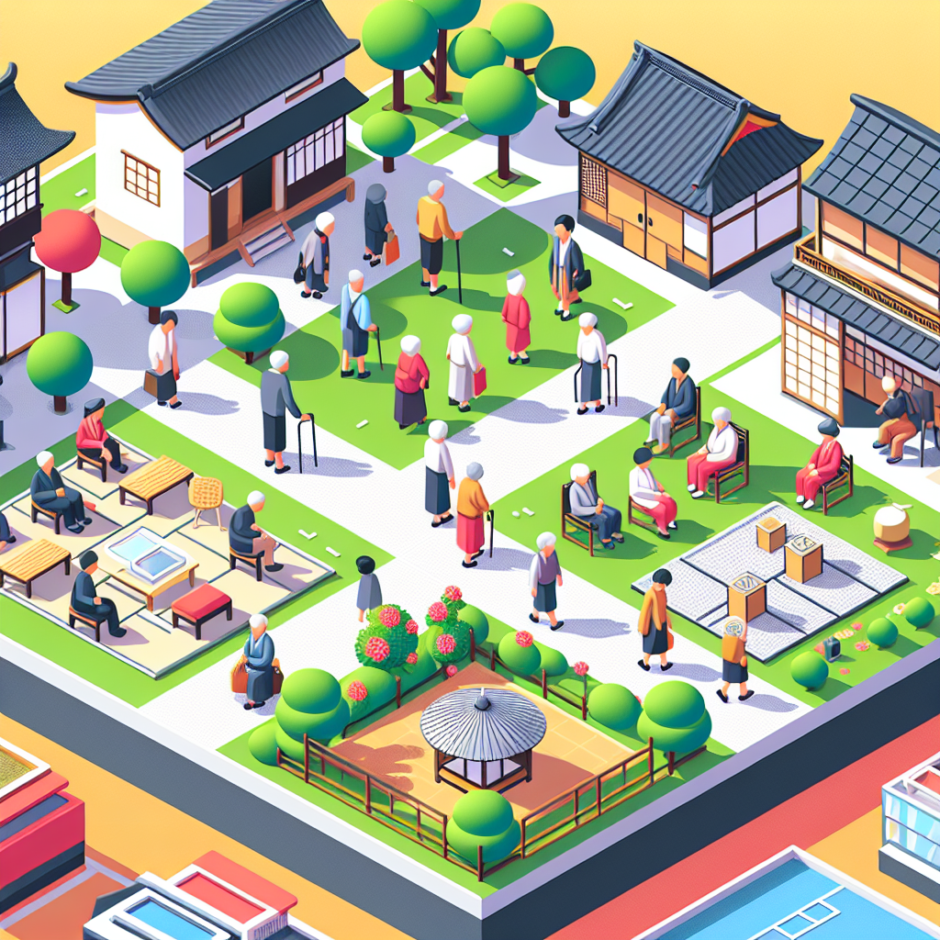
If you are considering retirement in Japan, this guide will provide you with everything you need to know about living comfortably as a foreigner. We will cover the essentials, including residence options, financial stability, healthcare, cultural adaptation, and social integration. Understanding these aspects is crucial for a fulfilling retirement experience in Japan. This article aims to solve the common challenges that retirees face when relocating to a foreign country.
🏡 Choosing Your Residence in Japan
One of the first decisions you’ll need to make for your retirement in Japan is where to live. Japan has a range of options from bustling cities to serene rural areas. Here are key factors to consider when choosing your residence:
- Cost of Living: Major cities like Tokyo and Osaka tend to be expensive. In contrast, rural areas can offer a lower cost of living. For example, a one-bedroom apartment in Tokyo may cost around ¥150,000 per month, while in a rural area, it could be as low as ¥50,000.
- Accessibility: Consider public transport options. Cities typically have well-connected train systems, making it easy to go around. Rural areas may require a car.
- Community: Look for expatriate communities where you can find support and social connections. Cities like Yokohama and Kyoto are home to vibrant foreign communities.
Once you have an idea of your ideal location, you can start exploring housing options. Websites like Suumo and GaijinPot offer listings in English, making your search easier. Renting is common among retirees; however, if you intend to purchase property, you will need to familiarize yourself with Japan’s real estate laws for foreign buyers.
💰 Financial Planning for Retirement
Financial stability is vital when considering your retirement in Japan. Understanding costs, pensions, and banking options will help you maintain a comfortable lifestyle. Here are some crucial points to consider:
- Pension System: Japan has a robust pension system, but as a foreigner, you may not qualify for the National Pension if you haven’t contributed long enough. Research international pension transfer options to ensure you receive your entitled benefits.
- Cost of Living: As noted earlier, urban areas like Tokyo may require a budget of around ¥300,000 a month for a comfortable living, while rural areas could be significantly less. Consider all expenses including housing, food, health insurance, and leisure.
- Banking: Setting up a local bank account is necessary for daily transactions. Major banks like SMBC and MUFG cater to foreigners and offer English services. Banking fees and withdrawal limits can vary, so do check the terms before opening an account.
It’s advisable to consult a financial advisor who understands the intricacies of both Japanese and international financial systems. This way, you can ensure your investments are safe and will grow over time.
🏥 Navigating Healthcare in Japan
Healthcare in Japan is considered one of the best in the world. However, navigating through it can be overwhelming for newcomers. Here’s how to ensure you have access to quality healthcare during your retirement:
- Health Insurance: Japan requires residents to enroll in a health insurance program. The National Health Insurance (NHI) is ideal for retirees and covers about 70% of medical expenses. Monthly premiums can range from ¥2,000 to ¥5,000 based on income.
- Choosing a Doctor: Many hospitals and clinics have English-speaking staff. Websites like Tokyo English Lifeline can help find English-speaking healthcare professionals.
- Emergency Services: Dial 119 for emergencies. Familiarize yourself with medical facilities in your area, especially ones that accept foreigners.
Additionally, Japan has a high number of pharmacies that can assist with minor ailments. Make sure to consult your doctor before taking new medications, especially if you have existing health conditions.
🤝 Cultural Adaptation and Social Integration
Cultural adaptation is often one of the biggest challenges for foreigners in Japan. Embracing the culture and integrating into society can significantly enhance your retirement experience. Here are practical steps to help you:
- Learn the Language: While many Japanese people speak English, learning basic Japanese phrases will help in daily interactions. Consider taking classes, using language apps, or joining conversation clubs.
- Embrace Local Customs: Understanding customs such as bowing, gift giving, and dining etiquette can help you navigate social situations. For example, always remove your shoes before entering someone’s home.
- Get Involved in the Community: Joining local clubs or volunteer groups can help you meet others. Participating in festivals and local events can also deepen your connection to the culture.
Making friends with locals can be very rewarding. They can offer insights into life in Japan that only someone from the country would know and can help ease the transition.
📌 Summary and Key Takeaways
Retiring in Japan as a foreigner can be a wonderfully rewarding experience, provided you approach it with the right knowledge and preparation. Here are some key takeaways from this article:
- Choosing the right residence depends on your lifestyle preferences and budget.
- Financial stability and understanding the pension system are critical for a comfortable retirement.
- Access to healthcare is straightforward; ensure to enroll in the National Health Insurance.
- Cultural adaptation is essential for enjoying life in Japan; learning the language and engaging with local communities will enhance your experience.
💡 Recommended Services
If you are living in Japan, having a reliable banking and insurance service is essential.
Banking options can often be confusing; look for providers specifically catering to foreigners.
👉 Choose from the best banking and insurance options for foreigners in Japan!
✅ Conclusion
Retiring in Japan as a foreigner poses unique challenges, but with the right information and resources, you can enjoy a fulfilling and picturesque retirement. From choosing your residence to navigating healthcare and cultural integration, the keys to a successful retirement are preparation, flexibility, and openness. Japan’s rich culture, beautiful landscapes, and welcoming people can create a wonderful retirement experience.
If you have any more questions or need further information, feel free to reach out to local expatriate groups or consult professionals who specialize in helping foreigners settle in Japan. Happy retirement planning!