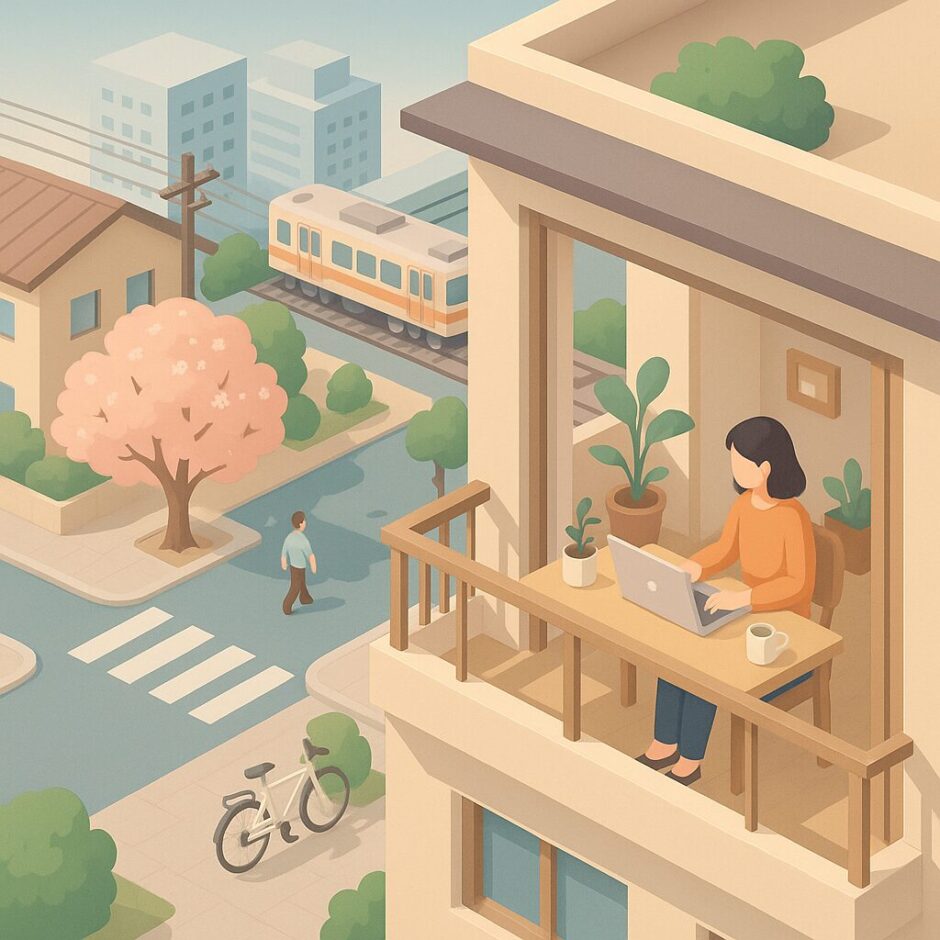
Remote Work in Japan: A Comprehensive Guide
If you’re considering moving to Japan or are already living here, this article is for you. You’ll learn about the realities of remote work in Japan, including how to set up your home office, understanding work culture, managing time zones, and finding community. Additionally, we’ll address the challenges you may face and provide practical solutions. Given the rise of remote work as a desirable lifestyle, understanding how to adapt will make your experience in Japan smoother and more enjoyable.
🌐 Understanding the Remote Work Landscape in Japan
Japan has a unique work culture characterized by long hours and a strong emphasis on in-person communication. However, since the pandemic, remote work in Japan has significantly increased. Many companies are now considering it an acceptable alternative to traditional office work. Here’s an overview of what you should know:
- Company Policies: Research companies that support remote work. Look for job listings emphasizing flexible working arrangements.
- Cultural Expectations: While remote work is gaining acceptance, ensure you understand the company’s expectations regarding communication and availability.
- Freelancing Opportunities: The gig economy is thriving. Websites like Upwork and Fiverr can help you find freelance work if you’re interested in a flexible lifestyle.
Understanding this landscape will help you navigate remote work effectively, leading to both job satisfaction and a better balance between work and life.
🏠 Setting Up Your Home Office in Japan
Creating a productive work environment at home is vital for remote work. Here are step-by-step guidelines to set up your home office in Japan:
- Location: Choose a quiet room or corner in your home where you can work without distractions. Natural light can enhance your productivity.
- Furniture: Invest in a comfortable chair and desk. You can find affordable options at stores like Nitori or even second-hand shops.
- Technology: Ensure you have a reliable internet connection. Consider setting up a wifi extender if your router is far from your office. A good quality webcam and microphone are also important for meetings.
- Supplies: Stock up on the necessary office supplies like notebooks, pens, and a calendar to plan your tasks.
Estimate costs for setting up your home office may range from ¥30,000 to ¥100,000, depending on what you decide to purchase. Looking for second-hand options can save you money.
🕒 Managing Time Zones and Work Hours
Working remotely often means collaborating with colleagues around the globe, which can lead to challenges like time zone differences. Here’s how to effectively manage your schedule in Japan:
- Understanding Time Zones: Japan is in the Japan Standard Time (JST) zone, which is UTC+9. Make sure to memorize this and adjust your work hours accordingly.
- Flexible Scheduling: If your colleagues are in different time zones, propose a flexible schedule that replaces evening work hours with lighter tasks during your morning.
- Tools: Use scheduling tools like World Time Buddy or Google Calendar to easily find overlap in availability.
Finding a balance is crucial to avoid burnout or missing important communications. Always communicate your working hours early to set expectations.
🤝 Building a Community While Working Remotely
Isolating yourself can be a common challenge for remote workers. Here are some practical strategies to build a community in Japan while working remotely:
- Networking Events: Attend local networking meetups or workshops in cities like Tokyo or Osaka to meet other remote professionals.
- Co-Working Spaces: Consider renting a desk in co-working spaces like WeWork or The Hive. This can provide you with both a workspace and a community.
- Online Communities: Join social media groups or platforms like Meetup to connect with others in similar situations.
Participating regularly in such activities will help you maintain social connections and combat feelings of isolation.
📌 Summary and Key Takeaways
In summary, remote work in Japan comes with its own set of challenges and rewards. Here’s what you should remember:
- Understand company policies and cultural expectations about remote work.
- Establish a comfortable and efficient home office environment.
- Manage your schedule effectively while considering time zone differences.
- Take active steps to build a supportive community around you.
💡 Recommended Services
If you are living in Japan, finding the right digital tools and services can significantly ease your remote work experience.

👉 Pay only for what you use – Best SIM for foreigners in Japan.
✅ Conclusion
Navigating remote work in Japan offers exciting opportunities but can also present unique challenges. By understanding the remote work landscape, setting up an adequate home office, managing time zones effectively, and building a community, you can thrive in this environment. Embrace the journey, and make the most of your remote work experience in Japan.