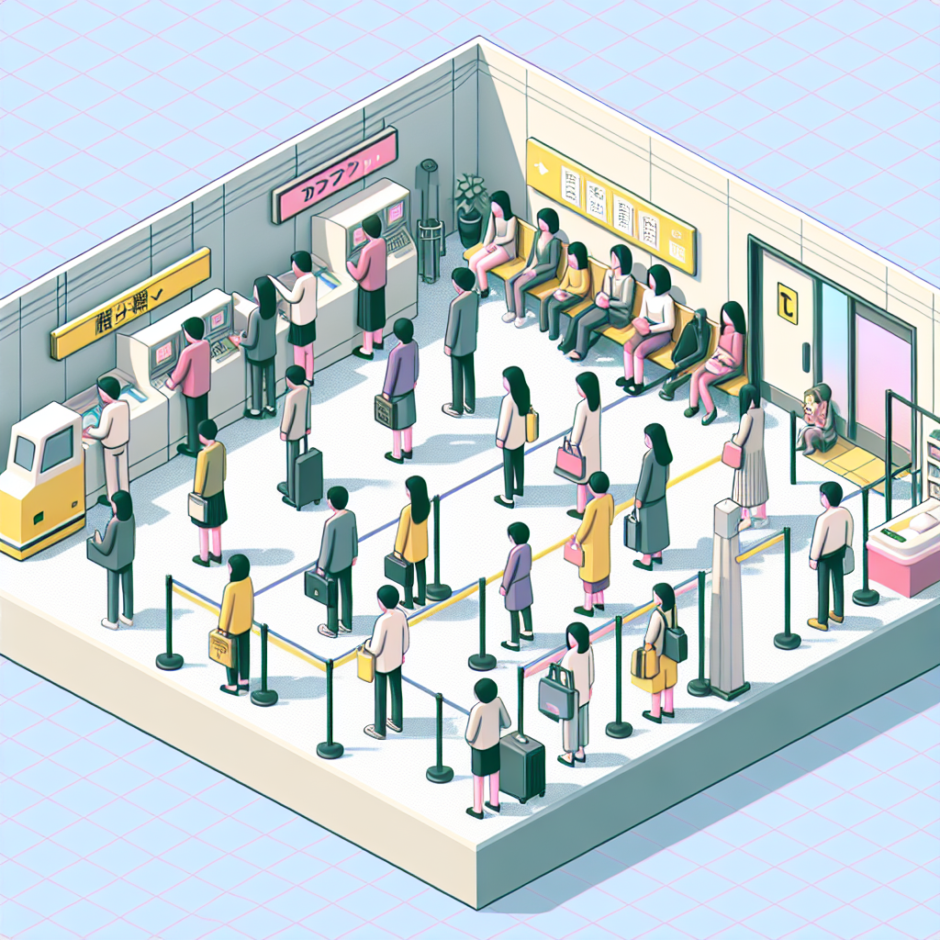
Queue Culture in Japan: Understanding Queue Japan Rules
In this article, you will learn about the unique queue culture in Japan, the unsaid rules governing it, and practical tips to navigate this essential social aspect. Understanding how queuing works in Japan is crucial for foreign residents, as it helps avoid awkward situations and promotes smoother interactions in public spaces. Whether you’re waiting for the train, a meal, or a new gadget, knowing the queue etiquette will significantly enhance your experience in Japan.
🚌 Why Queue Culture is Important in Japan
Queue culture in Japan is not merely about waiting your turn; it’s a reflection of the societal values of respect, order, and patience. In a bustling country where millions navigate crowded spaces, orderly queuing minimizes chaos and ensures that everyone gets their fair turn. Understanding this culture is vital for foreigners for several reasons:
- Avoiding Misunderstandings: Understanding queue rules helps prevent situations where you may inadvertently skip a line or disrupt the flow.
- Enhancing Social Integration: Adhering to the local customs fosters goodwill and helps you blend into the community.
- Practical Situations: From standing in line at convenience stores to waiting for public transport, queuing is an everyday aspect of life in Japan.
When you respect these rules, you’ll not only avoid awkwardness but also feel more at home in Japan. Here’s what you need to know about the queue Japan rules that govern this intriguing aspect of daily life.
🚉 Types of Queues in Japan
In Japan, queuing takes various forms depending on the context. Here are some common types of queues you will encounter:
1. Public Transport Queues
When waiting for trains or buses, you’ll notice designated areas on platforms marked with lines. These markings indicate where to stand while waiting. Here’s how to follow this etiquette:
- Stand patiently behind the line. Do not crowd near the boarding area until the train comes to a complete stop.
- Let passengers disembark before boarding your train.
- On escalators, stand on the left side if you’re in Tokyo, allowing others to pass on the right.
2. Queues at Restaurants
While popular restaurants may not have a physical line, you’ll often see people waiting outside. Here’s what to do:
- Be aware of the queue system, as some restaurants may use a ticketing system. Get a number and wait for your turn.
- Respect the order of arrival; cutting in line is highly frowned upon.
- If the restaurant is full, there could be a wait. Make sure to inquire about wait times.
3. Convenience Stores and Supermarkets
In convenience stores, you’ll generally find queues at the checkout counters. Tips for navigating these lines include:
- If you have many items, consider using a self-checkout if available.
- Keep your money or card ready to expedite the process.
- Help keep the queue moving by promptly completing your payment.
📏 Rules for Queuing in Japan
To ensure a harmonious experience, here are some specific rules or guidelines to keep in mind while queuing in Japan:
- Silence Your Phone: It’s courteous to keep your phone on silent mode while waiting in line, especially in public places.
- No Eating or Drinking: It’s generally frowned upon to consume food and drink while waiting in queues, unless specified otherwise.
- Follow Signage: Many places have clear signs or instructions for queuing. Always follow those guidelines.
- Be Patient: Japanese culture values patience highly, so it’s respectful to remain calm and composed while waiting.
- Personal Space: While queues can get crowded, try to maintain a reasonable distance from the person in front of you.
Taking these rules into account will make your time in queues more pleasant and respectful.
👥 Real-Life Scenarios in Queuing
Understanding queue rules is essential, but practical experience is equally important. Here are some scenarios you might encounter and how to handle them:
Scenario 1: Waiting for a Train
Imagine you are at a busy train station during rush hour. The platform is crowded, and a train approaches. What should you do?
- Make your way to the designated line and stand behind it.
- Wait for the train to stop completely before attempting to board.
- Once on the train, find a spot to hold on, as this is a crowded ride.
Scenario 2: At a Popular Restaurant
You’ve heard great things about a specific ramen shop and decide to try it, only to find a long line out the door. Here’s what to do:
- Join the end of the line calmly and patiently.
- If asked by staff, take a number and wait for your name to be called.
- Once inside, respect the seating arrangement and follow the ordering process.
Scenario 3: Using a Self-Service Checkout
Now you’re at a supermarket and want to use a self-service checkout. What’s the protocol?
- Queue up behind those using the self-service machines.
- Be ready with your items and payment method as you approach the machine.
- Keep the area tidy and remove your items promptly to let the next person proceed.
These scenarios illustrate the importance of understanding queue culture and following the rules to navigate everyday life successfully in Japan.
📌 Summary and Key Takeaways
In this article, we explored the queue culture in Japan, focusing on its significance, types, rules, scenarios, and practical guidance for foreigners living here. To sum up:
- Queuing is a vital part of Japanese society, reflecting values of respect and patience.
- Different types of queues exist, including those for public transport, restaurants, and supermarkets.
- Adhering to queue rules, such as maintaining silence and personal space, is crucial.
- Real-life scenarios help clarify how to navigate queuing effectively in various contexts.
💡 Recommended Services
If you are living in Japan, having a reliable and flexible SIM card is essential.
Mobile plans can be confusing and expensive.
👉 Pay only for what you use – Best SIM for foreigners in Japan
✅ Conclusion
In conclusion, queue culture in Japan is not just about waiting; it’s an integral facet of daily life that demands respect and understanding. By mastering the queue Japan rules, you’ll find your experiences in Japan not only more enjoyable but also more culturally enriching. Whether it’s on the train, at a restaurant, or in a store, following these guidelines will ensure that you fit seamlessly into the Japanese way of life. Embrace this aspect of the culture, and you will feel more integrated and at home in Japan.