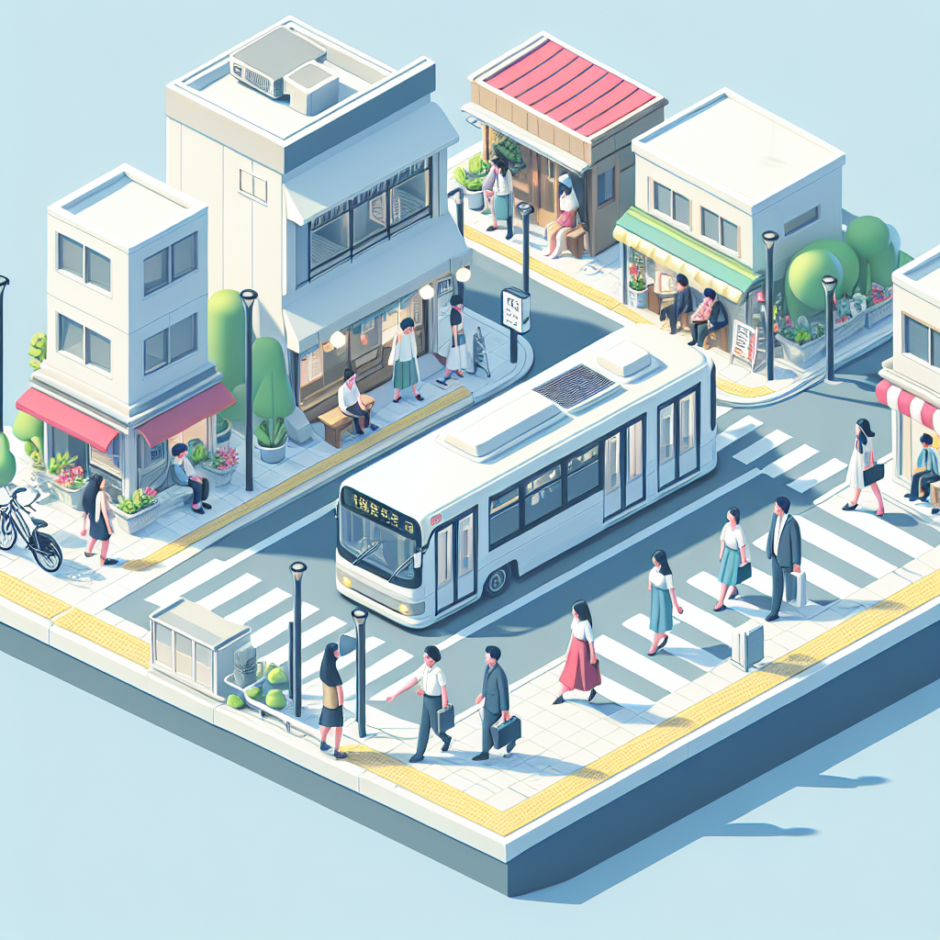
Japan Transport Guide: Navigate Your Journey with Ease
Japan is a land of fascinating contrasts, where ancient traditions meet cutting-edge technology. Understanding the transport system is essential for anyone looking to explore the vast expanse of its islands. This Japan transport guide is designed for travelers who want to make the most out of their trips, whether visiting cultural landmarks, natural wonders, or buzzing urban centers.
🚄 Overview of Japan’s Transportation System
Japan boasts one of the most advanced transportation systems in the world. The country’s network is known for its punctuality, cleanliness, and efficiency. From high-speed Shinkansen (bullet trains) to local buses and trams, every mode of transport offers a unique experience.
Whether you’re traveling between cities or exploring urban neighborhoods, you’ll find that navigating Japan is both easy and enjoyable. Here’s a breakdown of the main modes of transport:
- Trains: Renowned for speed and reliability. The Shinkansen can whisk you from Tokyo to Kyoto in under three hours!
- Subway and Local Trains: These cover most urban areas. Tokyo alone has 13 subway lines!
- Buses: While slower, buses can reach areas trains can’t, making them indispensable for regional travel.
- Taxis: Easy to find, but can be pricey—especially in large cities like Tokyo.
🗺️ Exploring with Trains: Your Guide to the Shinkansen
The Shinkansen is not just a means of transport; it’s a landmark in its own right! Known as the bullet train, these high-speed trains connect major cities in Japan. Here’s what you need to know:
Types of Shinkansen:
- Nozomi: The fastest service, connecting Tokyo to Osaka in just 2.5 hours.
- Hikari: A slightly slower option, making more stops but still covering Tokyo to Osaka in under 3 hours.
- Kodama: The slowest service that stops at every station.
To get the best experience:
- Book your tickets in advance, especially during peak seasons (like cherry blossom season).
- Reserve a seat if you’re traveling during busy times or want a more comfortable experience.
- Try the bento box meals available at the station for a delightful onboard dining experience.
🚌 Urban Travel: Buses and Subways
Once you arrive in metropolitan areas, buses and subways become your best friends. Major cities like Tokyo and Osaka have intricate transit networks.
Subway System Highlights:
- Tokyo’s subway has 13 lines and serves over 9 million passengers daily.
- Osaka’s subway connects key attractions and is quite user-friendly for tourists.
- Fukuoka’s subway is smaller but connects popular districts conveniently.
Using Buses:
- City buses are affordable and connect areas not served by trains.
- Many buses use an IC card for ease—just tap and go!
- Look for tourist buses offering guided tours for an informative experience.
⛴️ Other Transport Options: Ferries and Regional Trains
For those wishing to explore Japan’s coastal areas or smaller islands, ferries and regional trains provide scenic and enjoyable travel experiences.
Ferries:
- Numerous ferries operate between islands such as Honshu, Shikoku, and Kyushu.
- Sea traffic is often a more comfortable way to admire the coastline.
- Check schedules in advance during peak seasons.
Regional Trains:
- Experience the local flavor with small, scenic trains like the Oigawa Railway in Shizuoka.
- These trains often pass through beautiful landscapes, making them a delight to ride.
💬 Language Tips and Navigational Aids
Language can be a barrier, but you can overcome it:
- Most train and subway stations have English signage and announcements.
- Download translation apps like Google Translate to assist in communication.
Helpful Resources:
– **Google Maps**: Best for route planning and real-time transit updates.
– **Hyperdia**: Great for comprehensive train schedules and routes.
– **Japan Travel Apps**: There are numerous travel apps tailored for foreigners that provide essential information about transport systems.
📌 Summary and Key Takeaways
Japan is an accessible and enjoyable place to travel once you understand its transportation system. Key takeaways to keep in mind:
- Utilize the Shinkansen for long-distance travel, especially between major cities.
- Get accustomed to buses and subways for urban exploration.
- Explore regional trains and ferries for breathtaking scenic experiences.
- Leverage technology with travel apps to enhance your navigation.
💡 Recommended Services
When traveling in Japan, having reliable internet is essential for maps, translation, and booking.
Many travelers struggle with expensive or confusing mobile plans.
👉 Stay connected while traveling – Best SIM for Japan visitors
✅ Conclusion
With this Japan transport guide, you are well-equipped to navigate this breathtaking country. From the rapid Shinkansen to the charming local trains, every journey is an opportunity to experience Japan’s unique blend of tradition and modernity. Start planning your trip today, and make every moment count!