Understanding Japan Garbage Rules: Your Complete Guide
Living in Japan can be a delightful experience filled with unique culture, delicious food, and beautiful landscapes. However, one aspect that often confuses foreigners is the stringent garbage disposal rules. In this article, you will learn everything about the garbage rules in Japan, why they are essential, and practical steps to ensure you follow them properly. Understanding these rules helps avoid fines and contributes to Japan’s clean environment.
🚮 Overview of Garbage Rules in Japan
Japan is famous for its cleanliness and environmental consciousness. The country implements strict garbage rules to promote recycling and proper waste disposal. In this section, we will break down the general category of waste and what each category entails.
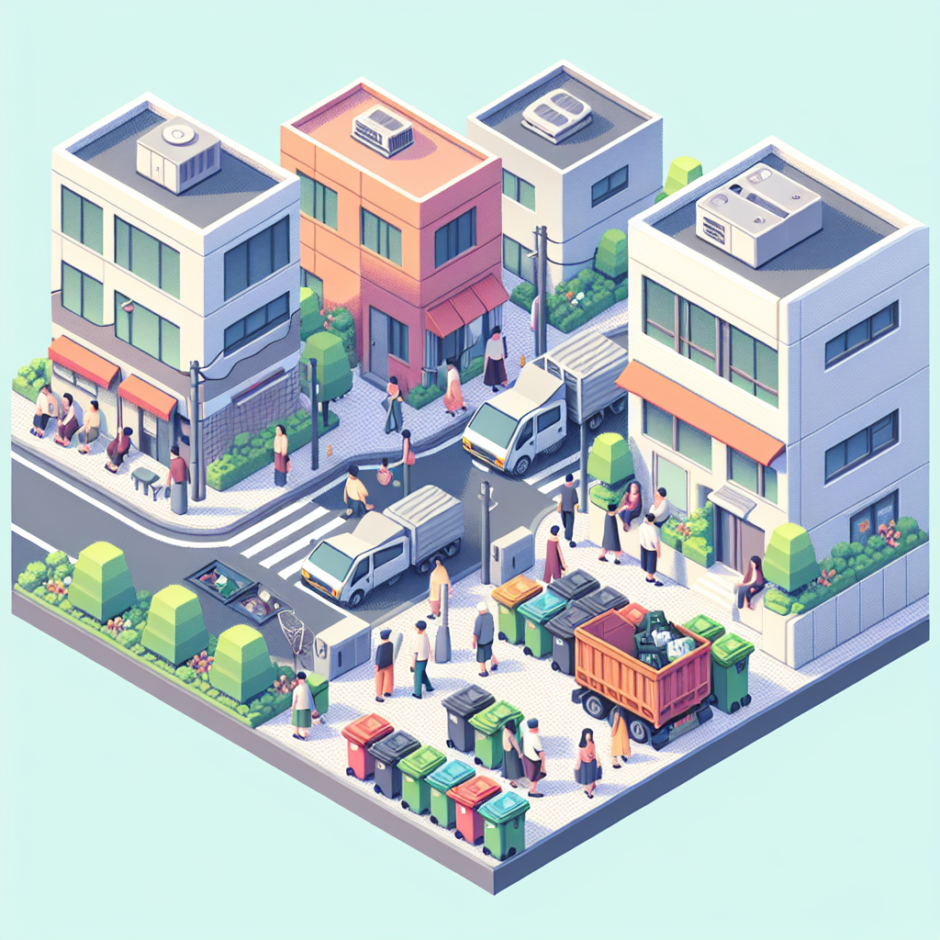
Japan’s waste management system divides garbage into several categories:
- Burnable Waste: This includes food waste, paper, and other items that can be incinerated.
- Non-burnable Waste: Items that do not burn, like metal and glass, fall under this category.
- Recyclable Waste: Plastic bottles, cans, and cardboard are recyclable.
- Hazardous Waste: Batteries and other toxic items should be disposed of separately.
Different municipalities might categorize waste slightly differently, so it’s essential to check your local guidelines. Generally, understanding these categories is crucial to living harmoniously in Japan.
♻️ How to Separate Your Garbage
When living in Japan, one of the essential things to remember is separating your garbage correctly. Each city has specific rules, and not following them can lead to fines or, worse, a dirty neighborhood. Here are some practical steps to separate your waste properly.
- Get Familiar with the Local Rules: Every municipality has its guidelines, so check the local government website or community center for specific information regarding garbage classification.
- Buy Dedicated Trash Bags: In many areas, you need special bags for each category. These can be purchased at convenience stores or supermarkets, typically costing around ¥100–¥300 per pack.
- Label Your Garbage: Clearly label your garbage bags as “Burnable,” “Non-burnable,” or “Recyclable” for convenience, especially if you have guests.
- Follow Collection Days: Garbage is usually collected on specific days. Make sure to put out your trash the night before collection, as it can be picked up as early as 6 AM.
These steps help you manage your waste responsibly and keep your surroundings clean. Always remember, garbage etiquette is part of daily life in Japan.
📅 Understanding Garbage Collection Schedules
Another area where foreigners often find themselves in trouble is understanding the garbage collection schedules. This section will outline how to effectively manage your waste with the right knowledge of collection days.
Most municipalities provide a monthly trash collection calendar. Here’s how you can get your hands on this vital information:
- Check Local Bulletin Boards: Community centers or local shops often have posted schedules.
- Visit Your City’s Official Website: Many cities offer downloadable PDFs with garbage collection schedules.
- Mobile Apps: Some cities have apps that send notifications about trash collection days.
Typically, burnable trash is collected twice a week, while non-burnable and recyclable waste is usually picked up once a week or bi-weekly. Mark these dates on your calendar to ensure you don’t miss them.
🧹 Best Tips for Effective Garbage Disposal
Disposing of garbage in Japan can seem overwhelming at first, but with the right tips, you can streamline the process. Here are some useful strategies to help you:
- Education is Key: Educate yourself and potentially your friends or roommates about the classified garbage and regulations.
- Use Recycling Kiosks: Some cities have recycling kiosks where you can drop off certain types of recyclables, especially during festivals or shopping sales.
- Stay Updated: Keep an eye on local news for updates about garbage collection, especially regarding holidays that may affect the schedule.
- Attend Local Meetings: Local councils often discuss community issues, including waste management. Attending these meetings can provide excellent insight.
Involving yourself in your local community will not only make living in Japan easier but also more enjoyable.
📌 Summary and Key Takeaways
Understanding the garbage rules in Japan is crucial for foreigners living in the country. Here are the main takeaways:
- Familiarize yourself with local garbage guidelines.
- Properly categorize your waste into burnable, non-burnable, recyclable, and hazardous.
- Check and adhere to the collection schedules to avoid missed pickups.
- Use reliable resources like local apps for information on garbage disposal.
💡 Recommended Services
If you are living in Japan, having the right tools will help you manage your garbage better.
Finding information about proper disposal can be overwhelming; consider using local services that simplify your life.
👉 Get the best resources to manage your waste – Make life easier in Japan!
✅ Conclusion
The garbage rules in Japan may seem complex, but understanding them can greatly enhance your experience living in the country. By familiarizing yourself with local guidelines, following collection schedules, and engaging with your local community, you can contribute positively to Japan’s impressive cleanliness. Don’t forget: responsible waste disposal is part of living harmoniously in this beautiful country. Happy living in Japan!