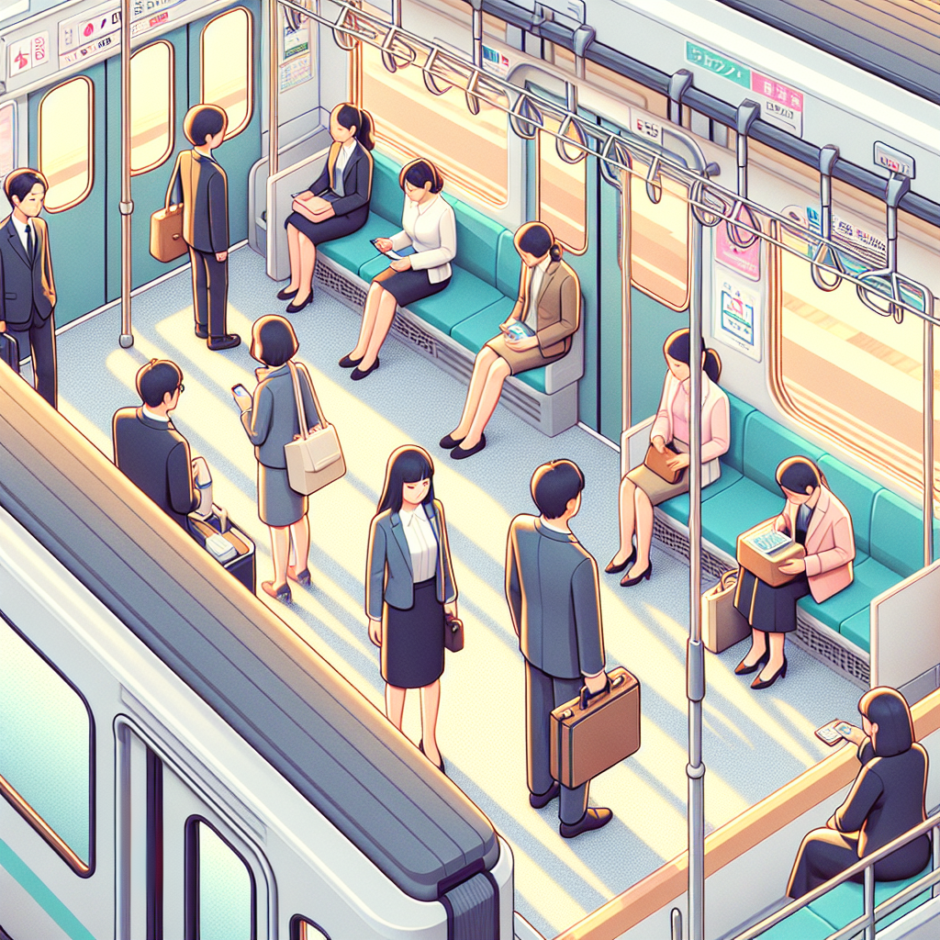
Train Manners in Japan: Essential Etiquette for Foreigners
In this guide, you will learn the essential train manners in Japan, a vital aspect of daily life in the country. Understanding these etiquettes is crucial, as it helps you blend into the local culture and avoids potential misunderstandings. Traveling by train is one of the most efficient and popular modes of transport in Japan, and following the proper etiquette not only ensures a pleasant experience for you but also for fellow passengers. This article aims to provide you with practical, step-by-step guidance on train manners and tips to navigate public transport like a local.
🚉 Overview of the Japanese Train System
Japan boasts one of the most advanced and punctual train systems in the world, with thousands of passengers using it daily. Here’s what you need to know about the trains and their etiquette:
- Types of Trains: Japan has various types of trains including Shinkansen (bullet trains), local trains, and rapid services. Each has different levels of service and etiquette.
- Tickets: Purchase your tickets in advance or at the station. Make sure to check whether you need a specific ticket for express services like the Shinkansen.
- Punctuality: Trains in Japan are known for their punctuality. Arrive a few minutes early so you can board without any rush.
🚦 Basic Train Manners in Japan
Understanding basic train manners is critical. Here are detailed, practical tips:
- Queueing: Always stand in line at train stations. It’s customary to form queues in designated areas on the platform.
- Boarding Etiquette: Allow passengers to exit before you board. This is a major courtesy that ensures smooth transitions.
- Talking Volume: Keep conversations quiet. Speaking on the phone or playing videos loudly is frowned upon. Use your phone discreetly.
- Food and Drink: Eating on local trains is generally not allowed. However, on long-distance trains like the Shinkansen, enjoying a bento box is acceptable, but try to clean up afterwards.
- Offering Your Seat: Always offer your seat to elderly passengers, pregnant women, and those with disabilities. Look for signs indicating priority seating.
- Personal Space: Respect the personal space of others. Avoid leaning or placing bags on empty seats without an invitation.
📱 Engaging with Local Passengers
It’s common for locals to interact with you, especially if you look lost. Here are ways to engage politely:
- Body Language: Use a friendly smile and polite gestures. Bowing slightly can show respect.
- Basic Phrases: Learn basic Japanese phrases like “Sumimasen” (Excuse me) and “Arigato gozaimasu” (Thank you). These words can go a long way in showing respect.
- Respect Privacy: While it’s great to make friends, avoid asking overly personal questions. Keep interactions light.
🔍 Special Situations and How to Handle Them
Certain situations may arise that require extra attention to etiquette:
- Heavy Crowds: During rush hours, trains can get very crowded. Stay calm and hold onto the handrails. Avoid making loud noises or causing a stir.
- Lost Items: If you lose something, approach station staff calmly. Use a polite approach and explain your situation clearly. Lost and found services are efficient.
- Train Delays: If a train is delayed, wait patiently. You can check the train app for updates, but avoid complaining loudly.
📌 Summary and Key Takeaways
Understanding train manners in Japan is essential for a smooth commuting experience. Always remember to:
- Queue politely and allow others to exit first.
- Maintain a quiet environment and respect others’ personal space.
- Engage courteously with local passengers.
- Handle special situations such as crowds and delays with grace and patience.
💡 Recommended Services
If you are living in Japan, having reliable transportation options is essential. Many foreigners find it helpful to get a prepaid Suica or Pasmo card for ease of travel on trains and buses.
Public transport can be overwhelming at first, so researching passes ahead of time is a great idea.
👉 Get Your Suica Card for Convenient Travel Across Japan!
✅ Conclusion
Navigating the train system in Japan doesn’t have to be intimidating. By adhering to train manners, you’ll enjoy a more pleasant and culturally aware experience during your time here. Respecting local etiquettes creates a friendly environment for you and everyone around. With these guidelines, you are well-prepared to explore Japan’s beautiful landscapes and vibrant cities via train. Enjoy your travels!