Understanding Japan Food Cost: A Comprehensive Guide for Foreigners
Living in Japan is an adventure filled with unique experiences, especially when it comes to food. In this article, we will delve deep into the monthly food cost in Japan, providing practical insights to help you budget effectively. If you’re a foreigner navigating the culinary landscape of Japan, understanding food costs is crucial for both financial planning and enjoying your time here. We’ll discuss how much you can expect to spend, where to find the best deals, and tips to manage your food expenses efficiently.
🍱 Overview of Monthly Food Costs in Japan
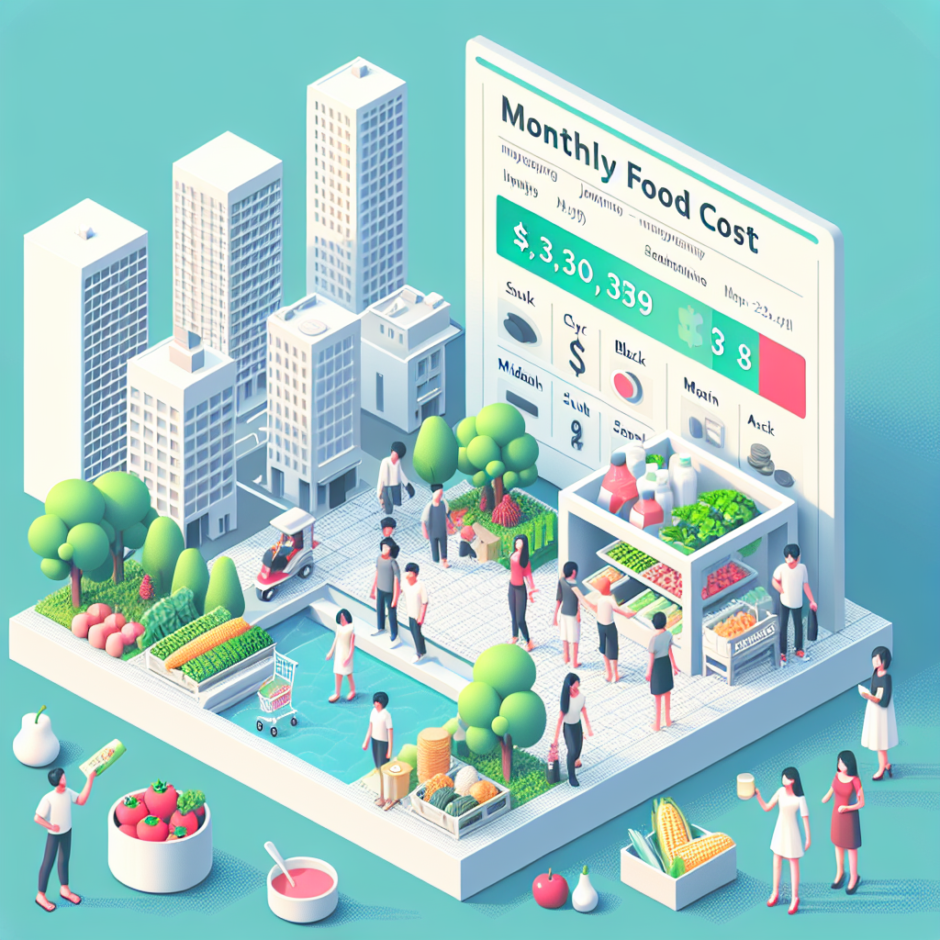
Japan offers a wide variety of food options which can significantly influence your monthly food cost. On average, a single person might spend between ¥30,000 to ¥60,000 ($270 to $550) per month. However, this can vary based on several factors including dietary preferences, location, and cooking habits.
Some general expenses include:
- Groceries: ¥20,000 to ¥40,000 ($180 to $360)
- Eating Out: ¥10,000 to ¥25,000 ($90 to $230)
- Specialty Items: ¥5,000 to ¥15,000 ($45 to $135)
Understanding these ranges can help you create a more tailored budget. If you frequent restaurants, expect that to increase your monthly costs significantly. Conversely, if you’re inclined to cook at home, you can save considerably.
Let’s break down the main expenses for groceries and dining out.
🛒 Grocery Shopping in Japan: Costs and Tips
Shopping for groceries in Japan is a delightful experience but can also be overwhelming due to the variety of products and prices. Here are some insights on grocery shopping costs and tips to save money:
Typical Grocery Costs
Here’s a breakdown of common grocery items and their average prices:
- Rice (1 kg): ¥500 ($4.50)
- Chicken (1 kg): ¥1,200 ($11)
- Eggs (10): ¥250 ($2.25)
- Vegetables (e.g., lettuce, carrots): ¥300 ($2.70) each
- Dairy products (milk, cheese): ¥200-¥500 ($1.80- $4.50)
Shopping Strategies
- Supermarkets vs. Local Markets: Local markets often have fresher produce at lower prices. Supermarkets, while convenient, can be more expensive.
- Discount Days: Many stores offer discounts on certain days of the week. Plan your shopping around these days for better deals.
- Buy in Bulk: Purchasing larger quantities of staple items can save you money in the long run.
By keeping these tips in mind, you’ll be able to manage your grocery bills effectively.
🍜 Eating Out in Japan: What to Expect
Eating out in Japan has its own charm, but it’s essential to know how it impacts your monthly food costs. The cost of dining out can vary greatly depending on where you go. Below are some common expenses associated with dining out:
Typical Restaurant Costs
- Convenience store meal (onigiri, bento): ¥500-¥1,000 ($4.50- $9)
- Casual restaurants: ¥1,000-¥3,000 ($9- $27)
- Mid-range dining: ¥3,000-¥8,000 ($27- $72)
- Fine dining: ¥10,000 and up ($90 and above)
Tips for Eating Out
- Lunch Specials: Many restaurants offer lunch sets or specials which can be significantly cheaper than dinner prices.
- Chain Restaurants: Places like Yoshinoya or Sukiya offer affordable meals for under ¥1,000 ($9).
- Discount Coupons: Look for discount coupons online; many restaurant chains provide these to encourage new customers.
By being strategic about where and how often you eat out, you can work within a budget while enjoying the diverse culinary offerings of Japan.
🍣 Specialty Foods and Eating Trends in Japan
For foreigners living in Japan, exploring specialty foods like sushi, ramen, or regional delicacies can be an exciting part of your culinary experience. However, specialty items can sometimes lead to inflated costs. Here’s what you need to know:
Specialty Food Costs
Here are some costs associated with specialty foods:
- Sushi (average price for 8 pieces): ¥1,500-¥3,000 ($13- $27)
- Ramen: ¥800-¥1,200 ($7- $11)
- Specialty cakes and pastries: ¥500-¥1,500 ($4.50- $13)
Food Trends
- Food Delivery Services: Services like Uber Eats and Demaecan offer convenient food delivery, but they can add to your costs with delivery fees.
- Health Consciousness: Many in Japan are turning to organic and health-focused products, which can sometimes be pricier.
- Seasonal Specialties: Look for foods available during specific seasons, such as sakura (cherry blossoms) desserts, often at a premium.
Being aware of these trends can help you navigate additional food costs while living in Japan.
📌 Summary and Key Takeaways
To effectively manage your food costs in Japan, consider the following:
- On average, plan for ¥30,000 to ¥60,000 ($270 to $550) monthly food cost.
- Buying groceries is typically cheaper than regularly eating out.
- Explore local markets for fresh produce at lower prices.
- Take advantage of lunch specials and discount coupons when dining out.
- Be cautious about specialty foods, as they can significantly increase your overall costs.
💡 Recommended Services
If you are living in Japan, having access to affordable meal options is essential.
Finding the right places to eat and grocery shop can save you money.
👉 Explore the best budget-friendly meal options in Japan!
✅ Conclusion
Navigating the food cost landscape in Japan can be challenging but equally rewarding. By planning your meals carefully, exploring local shopping options, and leveraging discounts, you can enjoy a rich culinary experience without straining your budget. Tailor your food choices to align with your lifestyle, and you will find that living in Japan can be both delicious and affordable.