Hidden Costs of Living in Japan
Living in Japan is an exciting adventure, but it comes with its own set of challenges. One of the most significant aspects is understanding the hidden cost in Japan. In this article, you’ll learn about unexpected expenditures that can catch foreigners by surprise. From housing to daily expenses, we’ll cover practical solutions to help you manage your budget effectively.
🏠 Understanding Housing Costs
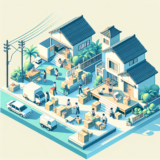
Housing is often one of the largest expenses for foreigners in Japan. While rent prices may appear reasonable, additional costs can quickly add up. Below are some hidden costs associated with housing in Japan.
- Key Money (礼金, reikin): This is a non-refundable payment made to the landlord, often equivalent to one or two months’ rent. It’s common in many rental agreements and can be unexpected.
- Deposit (敷金, shikikin): Typically, a deposit of one to two months’ rent is required, refundable upon leaving if there’s no damage. However, some landlords deduct cleaning fees or repairs from this deposit.
- Agent Fees: If you use a real estate agent, expect to pay up to one month’s rent as a commission. This can be particularly high in urban areas.
For a clearer picture, let’s say you’re renting a one-bedroom apartment in Tokyo for ¥100,000/month. You might pay the following:
- Key Money: ¥100,000
- Deposit: ¥100,000
- Agent Fee: ¥100,000
In total, you could pay up to ¥300,000 before you even move in. Always review the lease agreement for any additional fees and negotiate where possible.
🍱 Daily Living Expenses
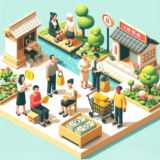
Understanding daily living expenses helps manage the hidden costs of living in Japan. Many foreigners underestimate the costs associated with groceries, dining out, and transportation.
- Groceries: While eating out can be affordable, grocery prices vary. Expect to spend around ¥30,000–¥40,000 a month on groceries if cooking frequently.
- Dining Out: A meal at an inexpensive restaurant costs around ¥1,000. Frequent dining can quickly drain your budget.
- Transportation: Metro and train fares in major cities are reasonable, but commuting can become expensive if you rely on it daily. A monthly pass can range from ¥10,000 to ¥20,000.
For instance, eating out for lunch every day at a cost of ¥1,000 can accumulate to about ¥22,000 for lunch alone over a month, not including dinner. Consider cooking at home or opting for bento boxes from convenience stores to save money.
⚠️ Utility Expenses
Utilities are another hidden cost in Japan that many foreigners overlook. Here’s what to expect:
- Electricity: Monthly bills can be around ¥5,000, depending on usage. Summer and winter months may see spikes in air conditioning and heating costs.
- Gas: If your apartment uses gas, expect bills to be around ¥3,000–¥6,000 monthly.
- Water: This can be around ¥2,000–¥4,000 per month, often based on usage.
If you’re sharing an apartment, these costs may be split, but budgeting for around ¥10,000–¥15,000 monthly for utilities is wise.
🔧 Miscellaneous Costs
There are many small costs that can accumulate and contribute to the overall hidden cost in Japan. Here are some common expenses.
- Internet and Mobile Phone: Internet can be ¥4,000–¥7,000 per month. A mobile phone plan might cost around ¥5,000 for basic service.
- Health Insurance: If you’re not covered by employer insurance, expect to pay around ¥20,000/month for National Health Insurance.
- National Tax: As a resident, you might be subject to city taxes, which can amount to ¥30,000–¥60,000 annually based on income.
It’s crucial to keep track of these expenses and categorize your budget to avoid surprises. For staff workers and foreign residents, it might be helpful to consult with a financial planner or an experienced friend who can guide you through the specifics.
📌 Summary and Key Takeaways
- Be prepared for hidden housing costs like key money, deposits, and agent fees.
- Daily expenses can add up quickly; cooking at home can help save money.
- Monitor utility bills closely, especially during seasonal changes.
- Don’t forget miscellaneous expenses such as internet, health insurance, and taxes.
💡 Recommended Services
If you are living in Japan, understanding mobile and internet plans is vital.
Mobile plans can be confusing and expensive.
👉 Pay only for what you use – Best SIM for foreigners in Japan
✅ Conclusion
Living in Japan comes with both excitement and challenges. Being aware of the hidden cost in Japan is pivotal in managing your financial situation. By considering housing, daily living expenses, utilities, and other costs, you can create a realistic budget that allows you to enjoy your time in this beautiful country. Always research, compare prices, and keep an eye on your expenses to make the most of your experience in Japan.