
Moving Out Rules in Japan: Your Complete Guide to a Smooth Transition
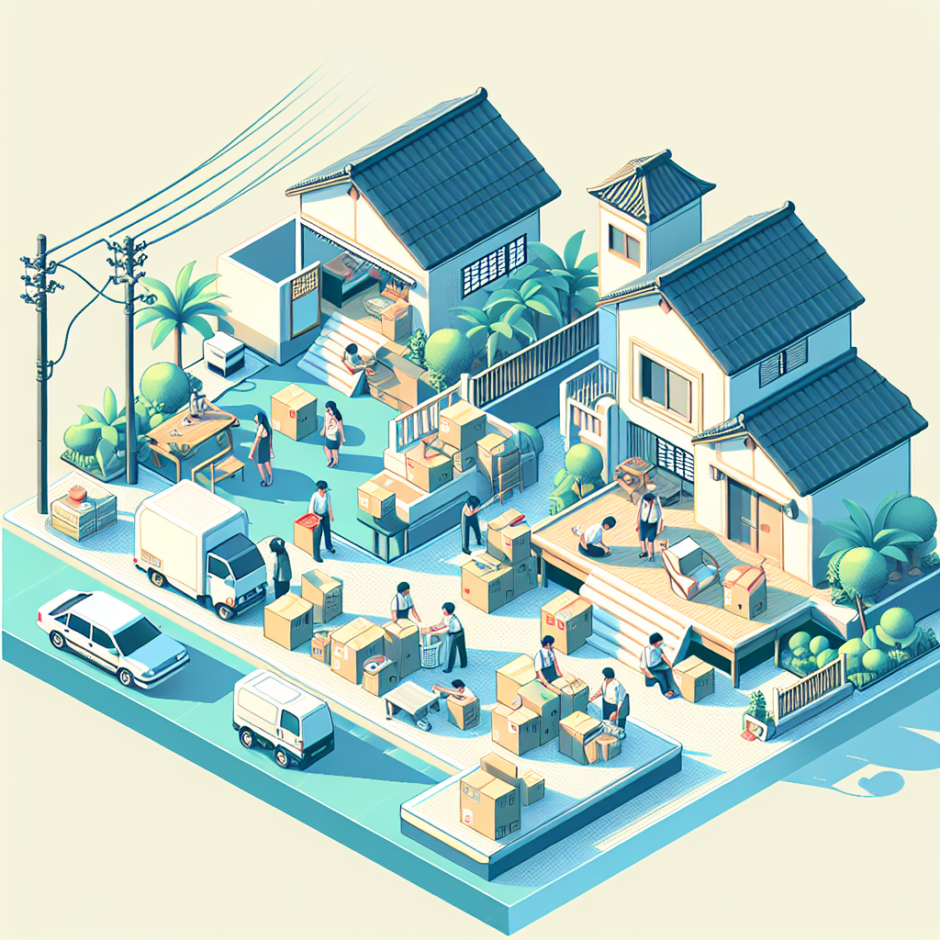
Moving out in Japan can be a daunting task, especially for foreigners. In this article, you will discover essential steps and rules to follow when moving out of your home in Japan. Understanding these guidelines is crucial to avoid misunderstandings and potential costs. We will cover various aspects including lease agreements, cleaning responsibilities, utility disconnections, and what to do with your belongings. By the end of this article, you’ll feel confident and prepared to tackle your move-out journey.
🏠 Understanding Your Lease Agreement
Before packing your bags, it’s vital to review your lease agreement. Most rental contracts in Japan include specific terms about moving out. Here’s what to check:
- Notice Period: Generally, you must provide your landlord with a notice of 1 to 2 months before moving out. Check your contract for the exact duration.
- Deposit Return: Understand the conditions for retrieving your security deposit. Landlords may deduct costs for repairs or cleaning.
- Break Lease Clause: If you need to leave before the notice period, see if there are penalties.
For example, in Tokyo, a standard lease may require a 2-month notice, meaning if you plan to leave in June, you should notify your landlord by April. Documentation is always key, so be sure to have written proof of your notice.
🧹 Cleaning and Maintenance Responsibilities
Cleaning your apartment is not just courteous; it can significantly affect your deposit return. Here’s how to handle cleaning:
- Deep Cleaning: Thoroughly clean every room. Pay attention to areas like kitchens and bathrooms, which may require more intensive cleaning.
- Defects Reporting: Notify the landlord of any existing damages before cleaning to avoid being charged for them.
- Professional Cleaning Services: Consider hiring a cleaning service, which typically costs between ¥20,000 to ¥50,000, depending on the size of your apartment.
If you choose to clean yourself, plan for a full day or two to ensure it’s done properly. Additionally, leave behind the apartment in the same condition as when you moved in, if not better!
⚡ Utility Disconnections and Change of Address
Disconnecting utilities is often overlooked but essential to completing your move-out process. Here’s what to do:
- Electricity: Contact your electricity provider at least a week before moving out. You can usually schedule disconnection online or by phone. Expect to pay a final bill up to ¥5,000 or more, depending on your usage.
- Gas: Similar to electricity, gas companies require prior notice. The final bill can also vary based on consumption.
- Water: Notify the water company as well for your disconnection and final bill.
- Address Change: Update your address at the post office (Yūbin Kyoku) and on official documents.
It’s crucial to confirm disconnection dates to avoid being billed for services you no longer use. Also, keep in mind that some utility companies may require you to be present during disconnections.
📦 Dealing with Your Belongings
When moving out, what to do with your belongings is often a challenging decision. Here are some options:
- Selling Items: Platforms like Mercari or local Facebook groups are useful for selling furniture and other items. Expect to earn a percentage of what you paid, especially for used goods.
- Donating: Consider donating to local charities or second-hand shops if items are in good condition.
- Storage Solutions: If you’re temporarily moving, hiring a storage unit can cost around ¥5,000 to ¥20,000 a month depending on size.
Plan your inventory ahead of time. Create a list of belongings and decide what to keep, sell, or donate. This process can reduce stress as moving day approaches.
📌 Summary and Key Takeaways
Moving out in Japan involves careful planning and attention to detail. Here’s a quick summary of what we covered:
- Review your lease agreement for rules on notice periods and deposits.
- Thoroughly clean your apartment and consider professional help to ensure a full deposit return.
- Disconnect utilities and change your address well in advance.
- Plan what to do with your belongings by selling, donating, or storing items.
The move-out process can be smoother when you understand and comply with local rules and customs. Take the time to organize and get everything in order!
💡 Recommended Services
If you are living in Japan, securing your belongings during your move is essential.
Storage and professional cleaning services can be a great investment to ensure peace of mind.
👉 Invest in storage solutions and cleaning services to make your move stress-free.
✅ Conclusion
Moving out in Japan is an opportunity to start fresh, but it requires following specific rules and steps. From understanding your lease to addressing cleaning duties and utilities, being prepared can make all the difference. With this guide, you have the tools to ensure a smooth transition from your current home to your next adventure. Keep this information handy as you move forward, and good luck with your next chapter!